- Overview
- Trip Outline
- Trip Includes
- Trip Excludes
- Gallery
- Reviews
- Booking
- FAQ
Mana Pools
22 September to 1 October 2026
 There’s tranquility in the African Bush that creeps up unexpectedly and nestles in your soul. Maybe it is because nature is so close – the wildlife and the birds, the wind in the trees- or maybe it’s just Africa and its rhythms”-Anon
Easily the largest river in our part of the continent, the Zambezi flows 2,524 km across Central Africa before meeting the sea just above Beira in Mozambique. In the process, it passes through, or borders, Zambia, Namibia, Zimbabwe and Mozambique.
The Zambezi is a life force supporting great numbers of hippos and huge crocodiles that resemble floating logs. Many people come here to fish for tiger fish, perch, bream and catfish.
Destinations
Lower Zambezi valley (Mana Pools and Chirundu)
The lower Zambezi Valley is one of the last great wildernesses in Africa. The area stretches from the Kariba Gorge in the north to Cahora Bassa in the south. The Zimbabwean side of the valley is, at places 70km wide, and is almost entirely uninhabited, as much of the area is in the national parks.
We spend the first two nights of our adventure at Tiger Safaris, one of the most established camps on the Lower Zambezi. Situated on the banks of the Zambezi one can relax, enjoy excellent birding opportunities and experience frequent visits by the local community (Elephants, Hippo and many others).
While at Tiger Safaris we do a boat trip up the river through the wildlife rich “Rifa” conservation area and into the mighty Kariba gorge, snaking all the way up towards the awesome Kariba Dam wall, a breathtaking experience.

After our Chirundu exploits, we transfer to Mana Pools and back by boat. We enjoy a wonderful two-hour cruise down the Zambezi, game viewing and birding along the way. This adds a wonderful dimension to the trip.

The best-known national park is Mana Pools, a World Heritage Site and wilderness that is unique, priceless and irreplaceable. Mana Pools National Park covers an area of 2196 sq. km extending from the Zambezi River in the north to the escarpment in the south. It needs little introduction to the avid wildlife enthusiast and is probably most famous for its spectacular golden light, albida forests and elephants that stand on their hind legs to get to the life-sustaining alibida pods in the dry season.
No words can adequately describe the sheer magic of Mana Pools. Glorious sunrises and sunsets, breathtaking scenery, amazing mammals and birds and an unparalled serenity. Mana Pools is a truly awe-inspiring place. As a game reserve it is unrivalled in the region, and dare we say, the world. The density of wildlife is very impressive and the scenery and true majesty of the natural habitat is astonishing. This Park offers something that some of the others lack, an authentic wilderness experience. The serene beauty and majesty of the park humbles your heart and your soul and upon leaving, you have a yearning to return.

The meanders of the Zambezi in years gone by have left behind the remains of old oxbows, shaping small seasonal pools scattered over an area of 2,000 square kilometres. The Park is named after the four main pools on the old riverbed, with Mana meaning “four” in the Shona language. The pools support a variety of game and numerous species of birds, along with the unique vegetation of the Zambezi valley, dominated by Nyala Berry and Natal Mahogany.
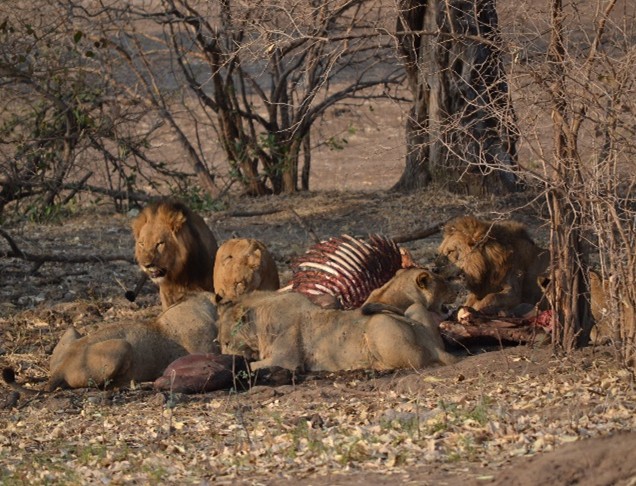
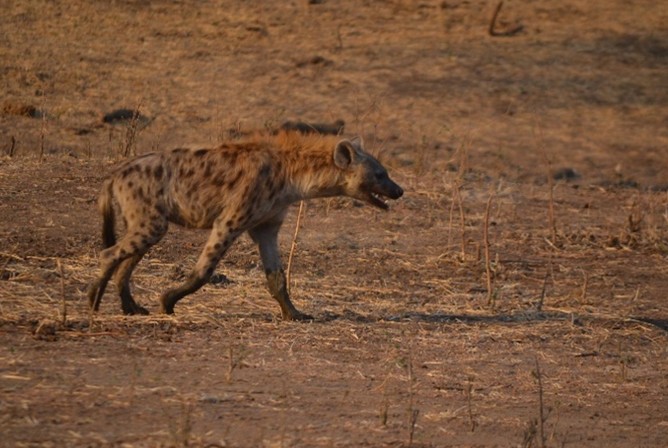
This portion of the Zambezi Valley is a true wilderness area with one of the highest dry-season concentrations of game in Africa. The big Five mammals all call this region home, as does the endangered African Wild Dog. In the drier months (May- October) the wildlife is drawn to the river as most inland sources dry up. At this time, great herds of elephant, buffalo and antelope can be seen on the riverbanks. The open Albida woodland provides good visibility and allows visitors the unique privilege of walking escorted by a guide or unaccompanied in an area with carnivores and larger mammals.


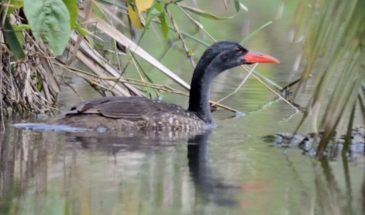
Mana Pools abounds with over 300 species of birds. During August to December the banks of the Zambezi are burrowed by nesting Carmine, White-fronted and Little Bee-eaters. Colourful kingfishers include Malachite, Brown-hooded, Grey-headed, Woodland, Pied and Giant. African Skimmer, Goliath Heron and Black Egret are also found along the river.


Mana Pools overnight destinations
We spend a total of six glorious nights in Mana Pools National Park, three in the south below the escarpment and three in the north on the floodplain of the mighty Zambezi River.
Kavinga Safari Camp
Kavinga Safari Camp is in a private concession within the southern boundary of Mana Pools National Park, approximately one kilometre upstream of the confluence of the Ruckomechi and Chiwuye Rivers. The camp is set on a cliff overlooking the magnificent Ruckomechi riverbed set against the extraordinary backdrop of the Zambezi Escarpment mountains. Most first-time visitors will want to see the classic Zambezi River landscapes with the floodplain “albida” trees. But Kavinga offers something very special of its own, which is entirely different.
This exclusive camp has seven safari tents, each built on a platform, on the edge of a cliff, looking down on the ephemeral Ruckomechi river below. This unusual construction gives a particularly good easterly vantage point towards the camp’s waterhole and across the riverbed with a view of the rising sun above the magnificent Zambezi Valley floor. As a result, guests can often spot wildlife from the chairs on their veranda.
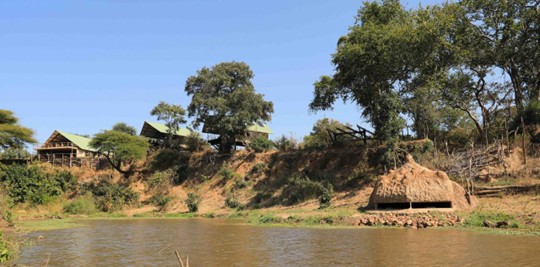

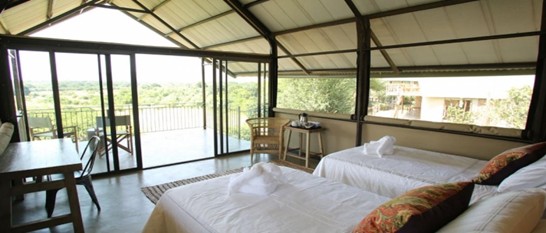
Each tent has been designed with an emphasis on privacy and is surrounded by insect repellent gauze, allowing the air to circulate, contributing to maximum coolness. Inside each tent are 2 comfortable beds in flexible arrangements, to cater for everyone’s needs, as well as an ensuite bathroom.
A cleverly designed photographic hide built to look like a termite mound has been constructed at the water’s edge, with safe access from the camp above. From here, the most incredible daytime or night-time close-up photographic opportunities can be enjoyed. There isn’t anything quite like this elsewhere in the park.
Kavinga’s extensive private concession which comprises the beautiful, rugged foothills of the Zambezi escarpment, the thick riverine woodlands and sandbeds of the Ruckomechi and Chiwuye Rivers, and the mopane and baobab scrubland in between, offers an exclusive and extraordinary wildlife experience.
Kavinga is primarily a place for wildlife lovers. Daytime activities are focused on exploring the very varied habitats of the camp’s concession area either by vehicle or on foot with the attention of a knowledgeable professional guide.
During the dry season (April to November) water in the Mana Pools area becomes scarce, drawing much of the wildlife towards the permanent Zambezi River. Most camps in the park are set up along the river to take advantage of this, but the owners of Kavinga Safari Camp and a few others have taken a bold alternative approach. Water might be limited in Kavinga’s remote southern section of the park, but the camp pumps a waterhole here and this, along with a scattering of natural springs on the concession, draws wildlife from miles around.
Camp Mana
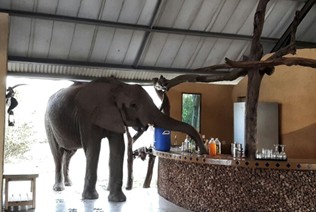
Our home in the northern section of Mana Pools for three nights is an exclusive owner-run safari camp, one of the best ways to experience the magic of this special place. The camp is situated on the southern bank of the Zambezi River, within the National Park and World Heritage Site, and looking out across the natural river boundary towards Zambia. The camp offers stunning views across the river to the Zambian escarpment beyond, with an almost endless parade of birds and animals on offer on the surrounding floodplain and islands in front of camp. We enjoy blissful privacy and our only neighbours are the inquisitive, confiding animals and birds which regularly pay us a visit.
 Accommodation for a maximum of twelve guests is in spacious, comfortable twin-bedded tents with en-suite facilities. For our safety, we have a professional armed guide in camp at all times.


From the camp, we can walk unaccompanied in the open Albida woodland because visibility is good and there is little danger of being surprised by dangerous animals. The chance of walking or driving alongside some of Africa’s magnificent big game like elephant, lion, buffalo and a variety of bird species will leave you with lasting memories.


Birding Attractions
Lower Zambezi Valley (Mana Pools & Chirundu)
White-headed Vulture, Ayres’s Hawk-Eagle, Western Banded Snake-Eagle, Martial Eagle, Dickinson’s Kestrel, Verreaux’s Eagle-Owl, African Wood-Owl, African Barred Owlet, African Scops-Owl, Southern Ground Hornbill, Crested Guineafowl, Meyer’s Parrot, Rufous-bellied Heron, White-crowned Lapwing, Long-toed Lapwing, African Skimmer, Collared Pratincole, Three-banded Courser, Double-banded Sandgrouse, Wood Pipit, Southern Carmine Bee-eater, Swallow-tailed Bee-eater, White-browed Coucal, Retz’s Helmet-Shrike, Orange-winged Pytilia, Bohm’s Spinetail, Mottled Spinetail, Racket-tailed Roller, Broad-billed Roller, Arnot’s Chat, Lilian’s Lovebird, African Golden Oriole, Eastern Nicator, Livingstone’s Flycatcher, Red-throated Twinspot.


This 10-day tour leaves from Johannesburg. We fly to Harare and travel in an air-conditioned VW Caravelle, 4-wheel drive Microbus or similar vehicle.
Includes
Services of dedicated guide throughout
Return flights, Johannesburg/ Harare/ Johannesburg
All transport, border charges, tolls
All accommodation and meals
Park entrance fees – Mana Pools
Daily conservation fees – Mana Pools
Return boat transfers between Chirundu and Mana Pools
Game drives in open safari vehicle in Mana Pools National Park
Dedicated Game Ranger in Mana Pools for walks (on demand)
Excludes
Alcoholic beverages, gratuities and items of a personal nature


No Details Found

There are no reviews yet.