- Overview
- Trip Outline
- Trip Includes
- Trip Excludes
- Gallery
eSwatini
9 day trip :18 to 26 March 2026
Phophonyane Falls, Malolotja, Mabuda Guest Farm, Mbuluzi

eSwatini, one of Africa’s smallest countries, covers 17363 sq km of highly diverse landscapes and habitats, ranging from dramatic mountain scenery to open woodland savannah. The range in altitude from the top of Ngwenya Mountain, eSwatini’s second-highest mountain (1829 m), to the deep Nkomati River Valley (640 m) accounts both for the mild temperate climate and a great variety of habitats; from short grassland, to thick riverine scrub, bushveld and moist Afro-montane forest.
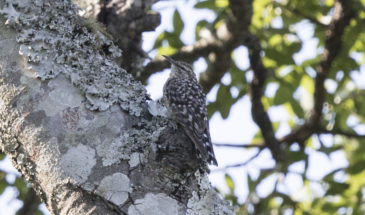
The country boasts a rich diversity of birdlife (493 species recorded to date), including some very interesting specials.


The Destinations
Phophonyane Falls Nature Reserve
Nestled in the dramatic mountain landscape of north-west eSwatini, amid tumbling waterfalls and lush natural forests. The Reserve falls within the Barberton Centre of Plant Endemism and protects the rich biodiversity of the increasingly threatened middleveld habitat. Besides its rich botanical diversity, the 600-ha reserve is home to a remarkable 240 species of birds and some of the world’s most interesting geological features.


Accommodation is in luxury safari tents, nestled in the riverine forest with their own private balcony, overlooking the river. A network of walkways leads one from the accommodation through water gardens which merge with the river’s edge onto a spectacular display of one of the world’s oldest rock formations (3.6 billion years).
Birding Attractions (over 240 species)
African Crowned Eagle, African Wood-Owl, African Black Swift, Black Saw-wing, Lemon Dove, Narina Trogon, Olive Woodpecker, Grey Cuckooshrike, Eastern Nicator, Chorister Robin-Chat, Mountain Wagtail, Cape Batis, Gorgeous Bush-Shrike, Olive Bush-Shrike, Black-bellied Starling, Pink-throated Twinspot, Green Twinspot, African Golden Weaver, Swee Waxbill, Olive Sunbird, Purple-banded Sunbird.


Malolotja Nature Reserve
Situated on the edge of the Drakensberg escarpment in the northwest of eSwatini. The Malolotja River rises in the east of the reserve and meanders its way through some fragile highveld bog systems before tumbling over numerous waterfalls, including eSwatini’s highest waterfall, the Malolotja Falls, and cutting its way through a steep sided gorge to meet the Nkomati River, some 900 m below. Montane grassland covers much of the reserve.

Mist belt and riverine forests, gorges and rocky slopes and wetlands in the form of vleis and dams are other interesting habitats found in the reserve. The grassland at this time of year is full of spring flowers, with different species coming into flower, causing the colours to change every couple of weeks.
Accommodation is in comfortable log cabins, overlooking a grassy drainage line.
Birding Attractions (over 280 species)
Secretary Bird, Southern Bald Ibis, Blue Swallow, Black-winged Lapwing, Red-winged Francolin, Ground Woodpecker, Kurrichane Buttonquail, Plain-backed Pipit, Long-billed Pipit, Red-throated Wryneck, Cape Grassbird, Buff-streaked Chat, Mocking Cliff-Chat, Gurney’s Sugarbird, Wailing Cisticola, Wing-snapping Cisticola, Drakensberg Prinia.


Mabuda Guest Farm
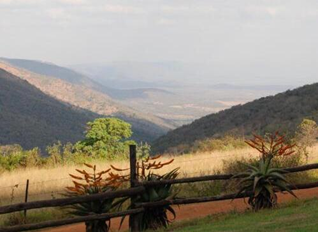
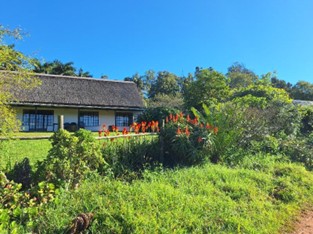
Mabuda or “Place of Dreams” is a romantic farm enthroned atop the beautiful Lubombo Mountains. This is a place where time stands still. A place where the wind whispers tales of forgotten colonial days and the dust clouds drift like shadows behind the old tractors. Mabuda is a haven for those seeking a genuine connection with nature, culture, and community. The Guest Farm’s commitment to sustainable practices and community upliftment resonates with eco-conscious travellers The farm boasts stunning views and a wealth of indigenous bush and birdlife — guests are welcome to explore farm trails on foot or mountain bike. Self-guided trails lead to excellent birding opportunities along cool and secretive forest pathways. Mabuda has two marked self-guided nature trails which start at The Green Shed. One is 5km (Blue) and the other 15km (Red). Accommodation is in chalets, boasting modern amenities and private verandas with stunning vistas.
Birding Attractions (over 280 species)
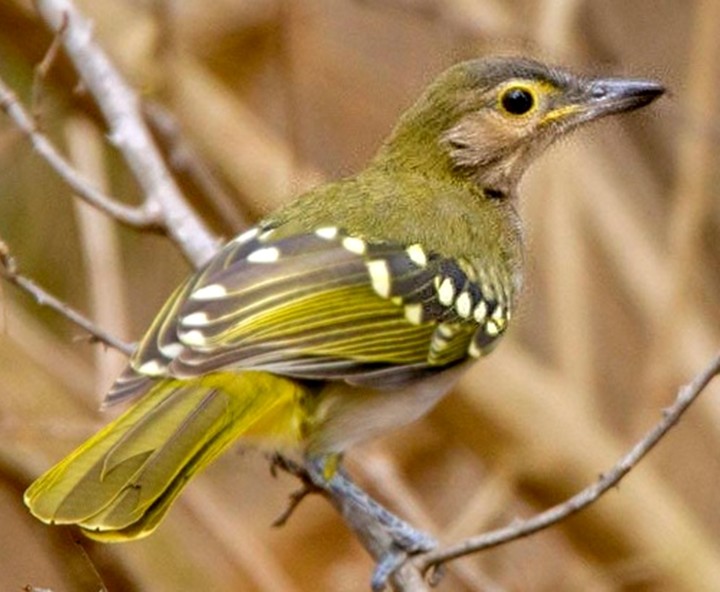
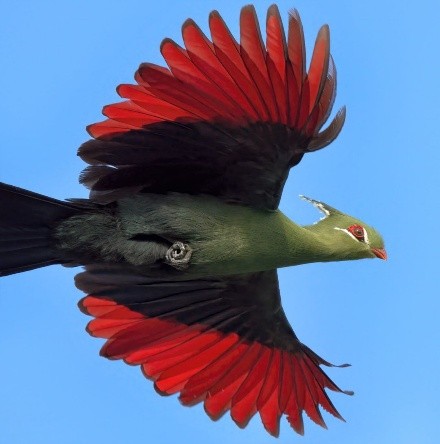
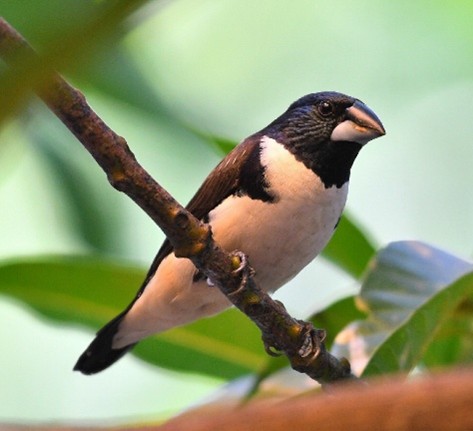
Long-crested Eagle, African Goshawk, Little Sparrowhawk, Western Barn Owl, Spotted-Eagle Owl, African Wood Owl, Livingstone’s Turaco, Narina Trogon, Crested Guineafowl, African Emerald Cuckoo, White-eared Barbet, Yellow-rumped Tinkerbird, Red-fronted Tinkerbird, Olive Woodpecker, Bennett’s Woodpecker, Brown-headed Parrot, Gorgeous Bushshrike, Olive Bushshrike, Square-tailed Drongo, Blue-mantled Crested Flycatcher, Eastern Nicator, Rudd’s Apalis, Croaking Cisticola, Lazy Cisticola, Red-faced Cisticola, Chorister Robin-Chat, Red-capped Robin-Chat, Purple-banded Sunbird, Grey Sunbird, Eastern Golden Weaver, Magpie Mannikin, Swee Waxbill, Pink-throated Twinspot, Green Twinspot,
Mbuluzi Game Reserve
Tucked against the foothills of the Lebombo Mountains in north eastern eSwatini. With its marvellous diversity of habitats and superb accommodation, Mbuluzi is a true jewel in the crown of the Swaziland kingdom. Bound by the Mbuluzi River and the Lebombo mountains, Mbuluzi includes riverine forests, rocky krantzes, deciduous thickets, knobthorn savannah, acacia thornveld and open grasslands.
Accommodation is in a superb private lodge, situated in silent isolation alongside the Mbulizi riverbed with large trees and palms.


Birding Attractions: (over 350 species)
Martial Eagle, African Crowned Eagle, European Honey-Buzzard, African Cuckoo Hawk, African Goshawk, Eurasian Hobby, Black-bellied Bustard, Thick-billed Cuckoo, Senegal Lapwing, Bronze-winged Courser, Crested Guineafowl, African Finfoot (a garden bird), Tambourine Dove, Eastern Nicator, Gorgeous Bush-shrike, Eurasian Golden Oriole, Red-capped Robin-Chat, Bearded Scrub-Robin, Scaly-throated Honeyguide, Brown-backed Honeybird, Half-collared Kingfisher, Red-faced Cisticola, Purple-banded Sunbird, Grey Sunbird, Pink-throated Twinspot, Red-fronted Tinkerbird, Grey Penduline-Tit.


The 9-day tour departs from Johannesburg. We travel in an air-conditioned VW Caravelle, 4-wheel drive Microbus.
Itineraries
Day 1
Date : March 18, 2026
Johannesburg–Phophonyane Falls
Depart bright and early.
After birding on route, arrive Phophonyane early afternoon.
Afternoon forest walk.
Overnight at Phophonyane Falls Nature Reserve.
Day 2
Date : March 19, 2026
Phophonyane Falls
Day spent birding and relaxing at Phophonyane Falls.
Overnight at Phophonyane Falls.
Day 3
Date : March 20, 2026
Phophonyane Falls-Malolotja
Morning birding around Phophonyane.
After brunch head for Malolotja Nature Reserve, some 60 km away.
Afternoon birding and overnight at Malolotja.
Day 4
Date : March 21, 2026
Malolotja-Mabuda
Early morning birding in Malolotja.
Depart after brunch for Mabuda , birding on route.
Afternoon birding and overnight at Mabuda Guest Farm.
Day 5
Date : March 22, 2026
Mabuda
Day spent birding and relaxing at Mabuda.
Overnight at Mabuda Guest Farm.
Day 6
Date : March 23, 2026
Mabuda-Mbuluzi
Early morning birding around farm.
After brunch head for Mbuluzi Game Reserve, via Mlawula Game Reserve.
Afternoon birding and overnight at Mbuluzi Game Reserve
Day 7
Date : March 24, 2026
Mbuluzi
Another blissful day in Mbuluzi
During our stay, we may visit the adjacent Mlawula Nature Reserve and Hlane Game Reserve where big game including Elephant and White Rhino may be seen. A visit to a high-altitude wetland nearby may yield interesting rallids and waders.
Overnight in Mbuluzi.
Day 8
Date : March 25, 2026
Mbuluzi
Full day of heaven, birding and relaxing in Mbuluzi.
Day 9
Date : March 26, 2026
Departure
Depart Mbuluzi after breakfast and return to the concrete jungle
Includes
Transport, all meals and accommodation, guiding and entrance fees.
Excludes
Alcoholic beverages, gratuities and items of a personal nature.